The Mauritius we actually live in
Most visitors see Mauritius from a sunbed, and that is a fine way to spend a holiday. But the island has another life a few minutes from every hotel: busy markets at dawn, roadside snack stalls, temples and churches side by side, music on the beach at weekends, and families who still cook the way their grandparents did.
This is our list of the local things worth doing, the ones we would show friends visiting from abroad. Each one is easy to reach, inexpensive, and gives you a real feel for how Mauritians live.
What Mauritians actually do
From the capital to the quiet south, the everyday experiences that tell you the most about the island.
Go to a market
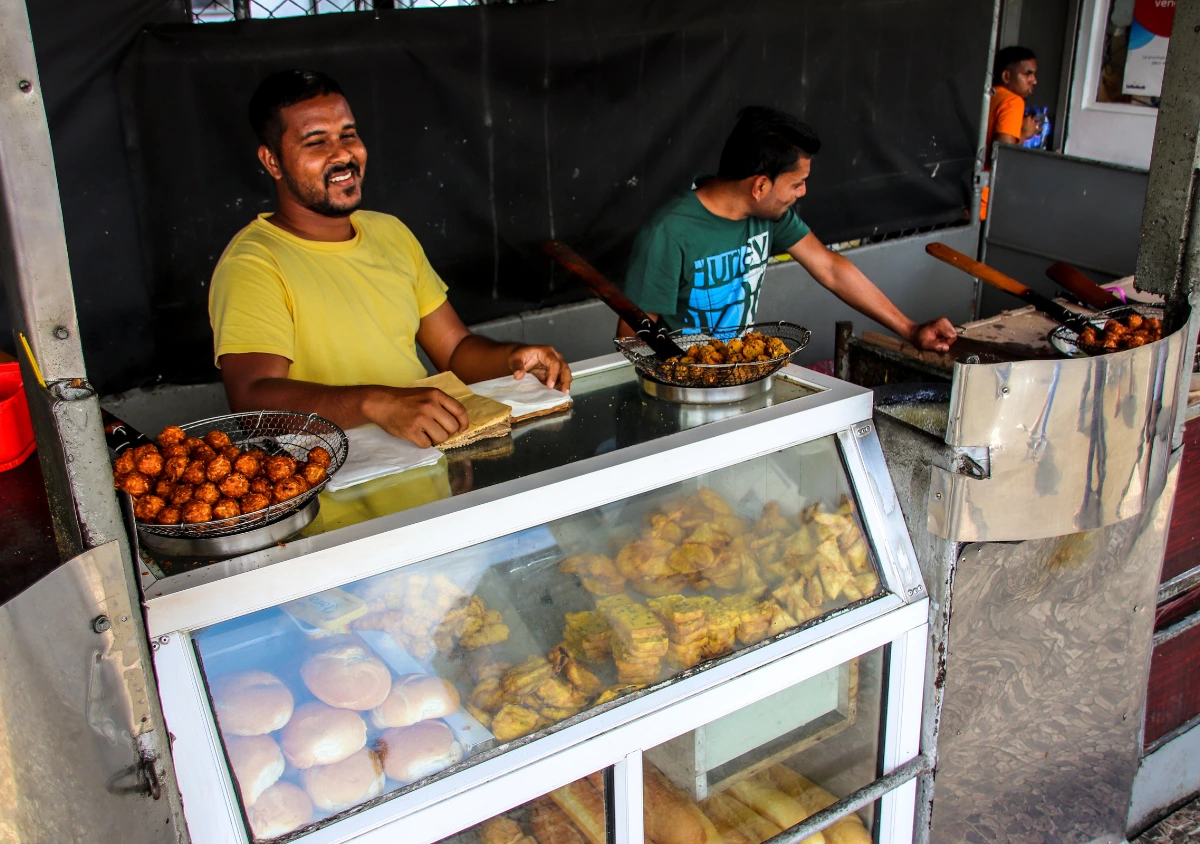
Markets are where the island meets. The Central Market in Port Louis opens from early morning, Monday to Saturday, and on Sunday mornings: fruit, vegetables, spices, herbal remedies and snacks. Flacq, on the east coast, is the biggest open-air market and is at its fullest on Wednesdays and Sundays. Go early, bring small notes, and bargain gently.
Eat street food
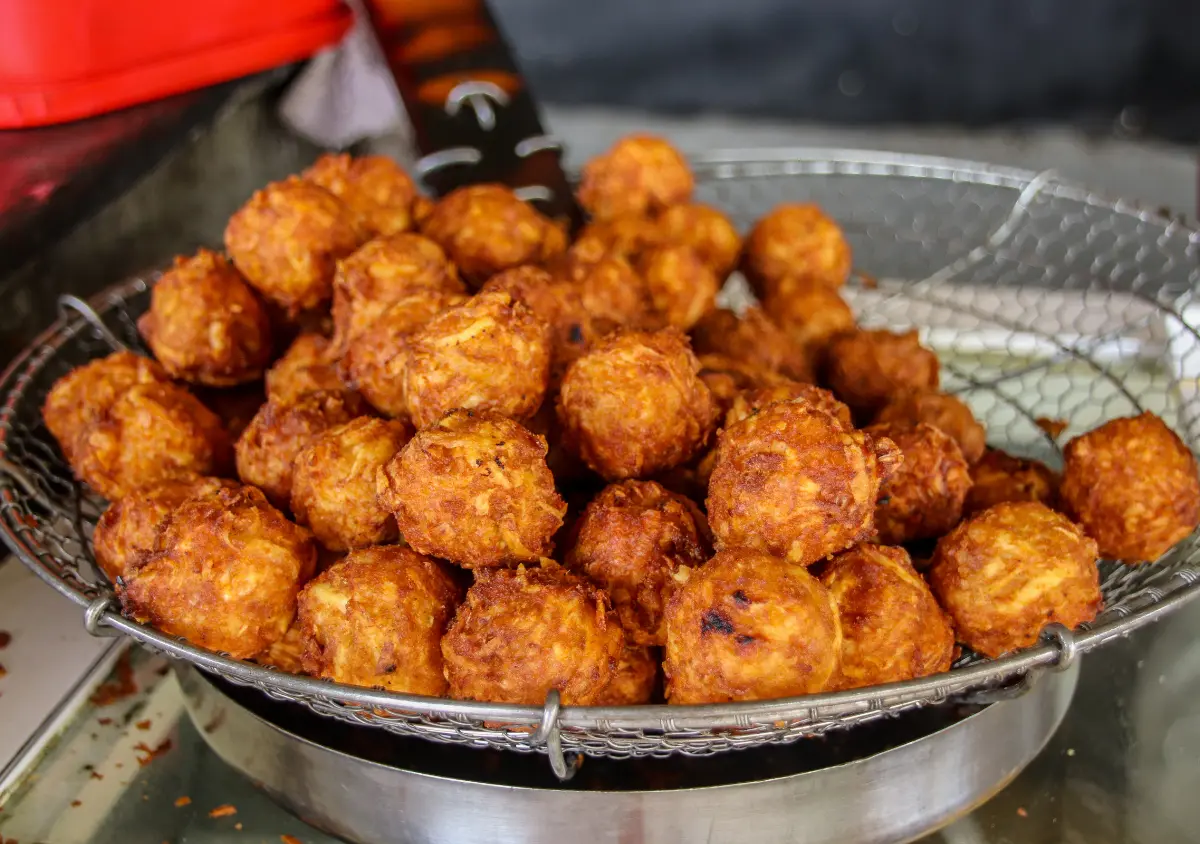
The real Mauritian fast food: dholl puri and farata wrapped around curries, gato piment (little chilli cakes), samoussas and fresh fruit with chilli salt. Buy from stalls where locals are queuing, and eat it standing up like everyone else.
Eating halal? Read our guide to halal food in Mauritius.
Learn the island's story
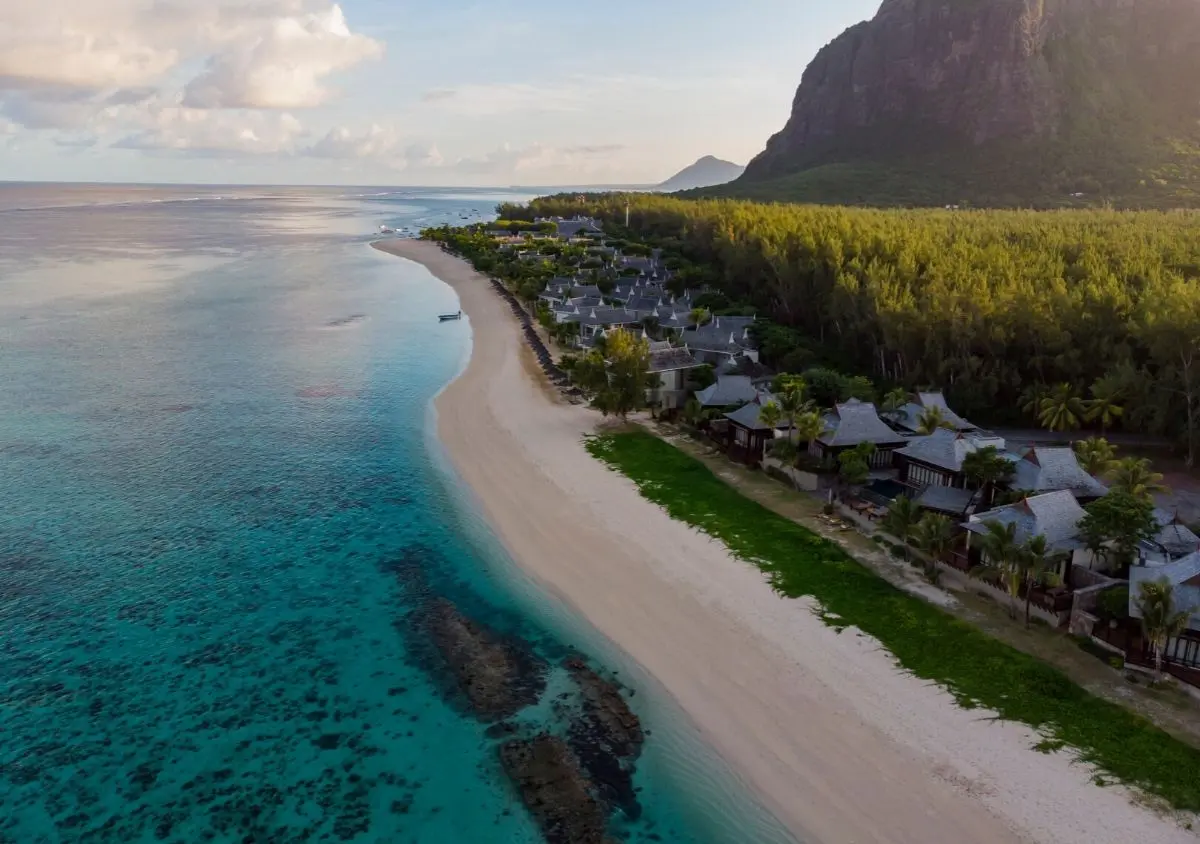
Aapravasi Ghat in Port Louis is where indentured labourers, many of them from India, first landed. Le Morne Brabant, in the south-west, is a place of remembrance for the island’s history of slavery. Both are UNESCO World Heritage Sites, and together they explain who Mauritians are.
Visit a place of faith
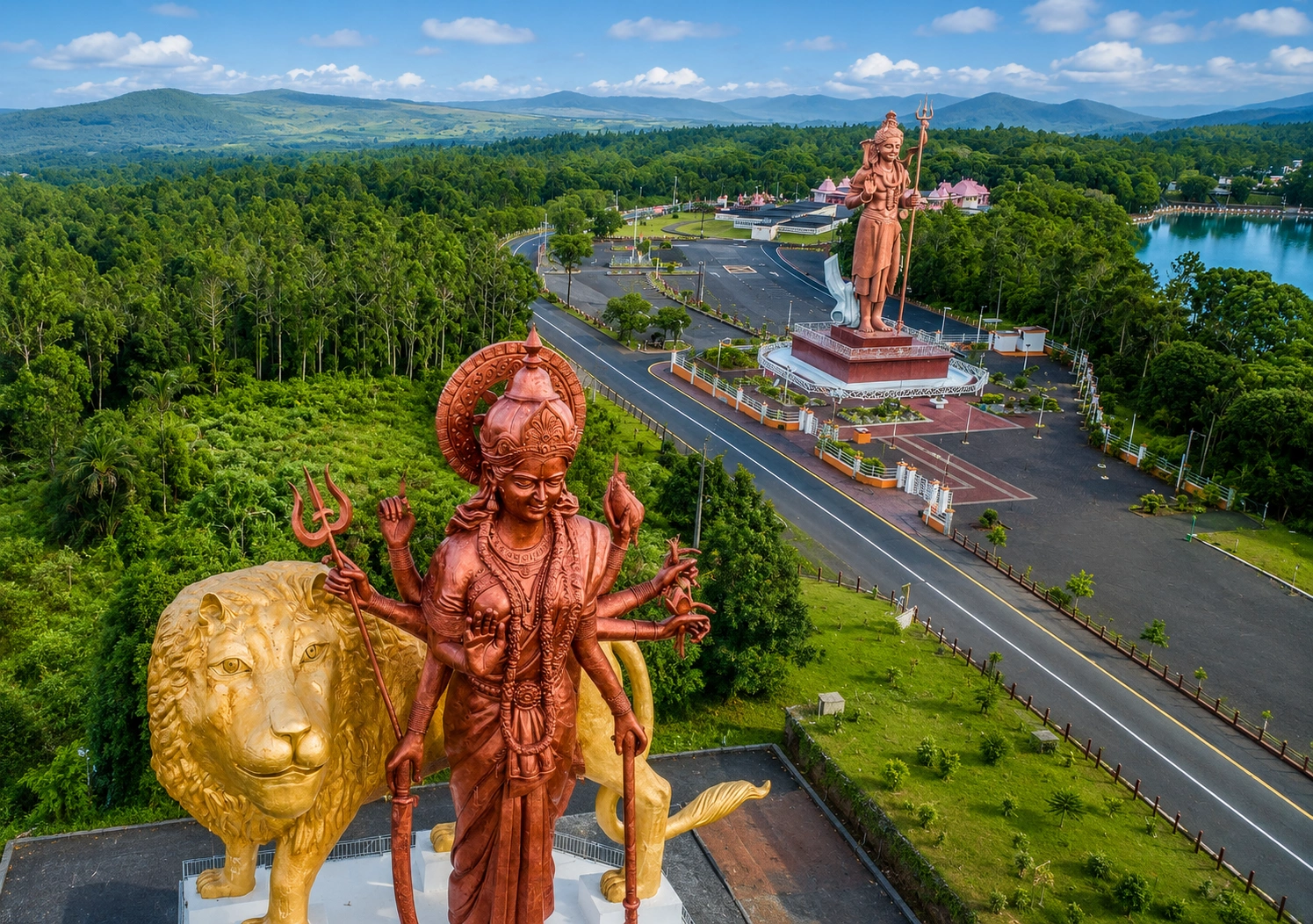
Hindu temples, mosques, churches and Chinese pagodas often stand on the same street. Grand Bassin, a sacred crater lake, draws pilgrims on foot during Maha Shivaratri. Festivals such as Divali, the festival of lights, and Cavadee are moving to watch. Cover shoulders and knees, remove shoes where asked, and ask before taking photos.
Join the Sunday picnic
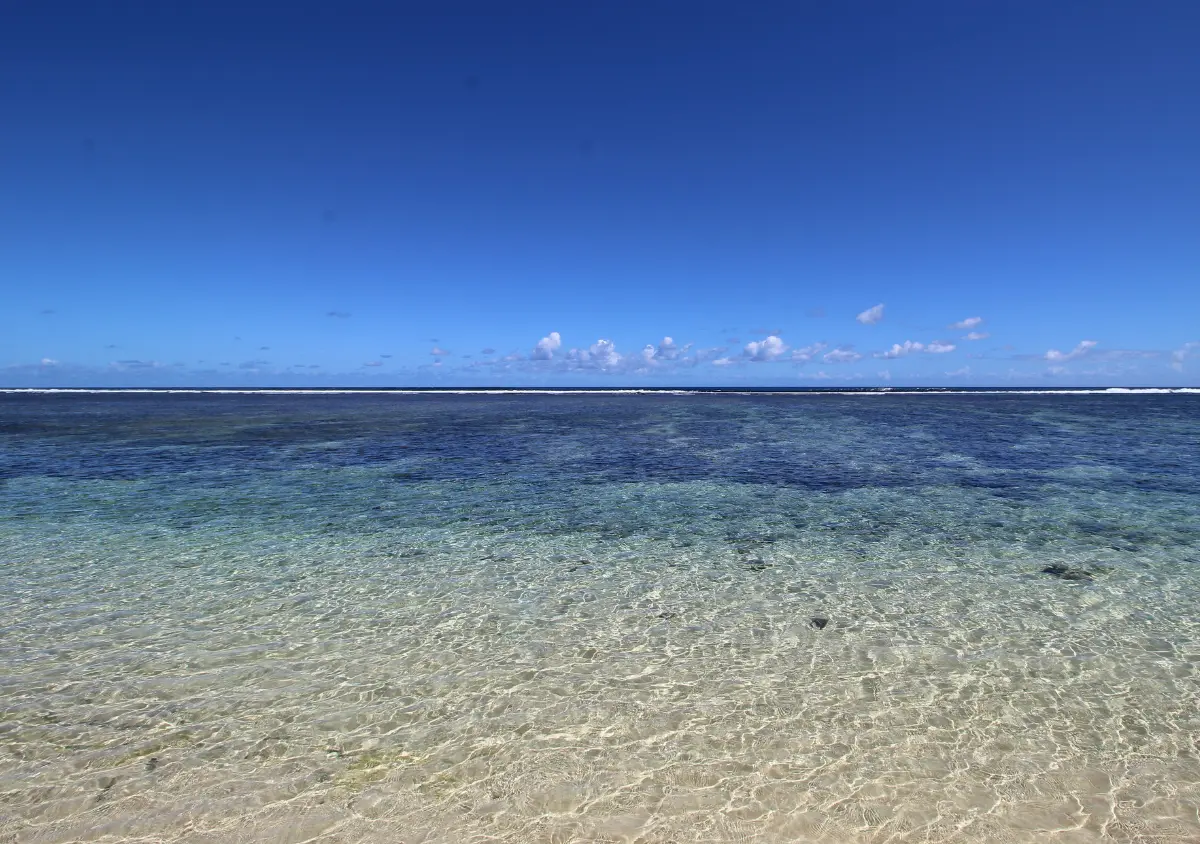
On Sundays, Mauritian families pack pots of curry, rice and briani and head for the public beaches. Music plays, children swim, and someone always brings a ravanne drum. Sega, the island’s traditional music and dance, recognised by UNESCO, is often heard at these gatherings.
Tea, sugar and rum
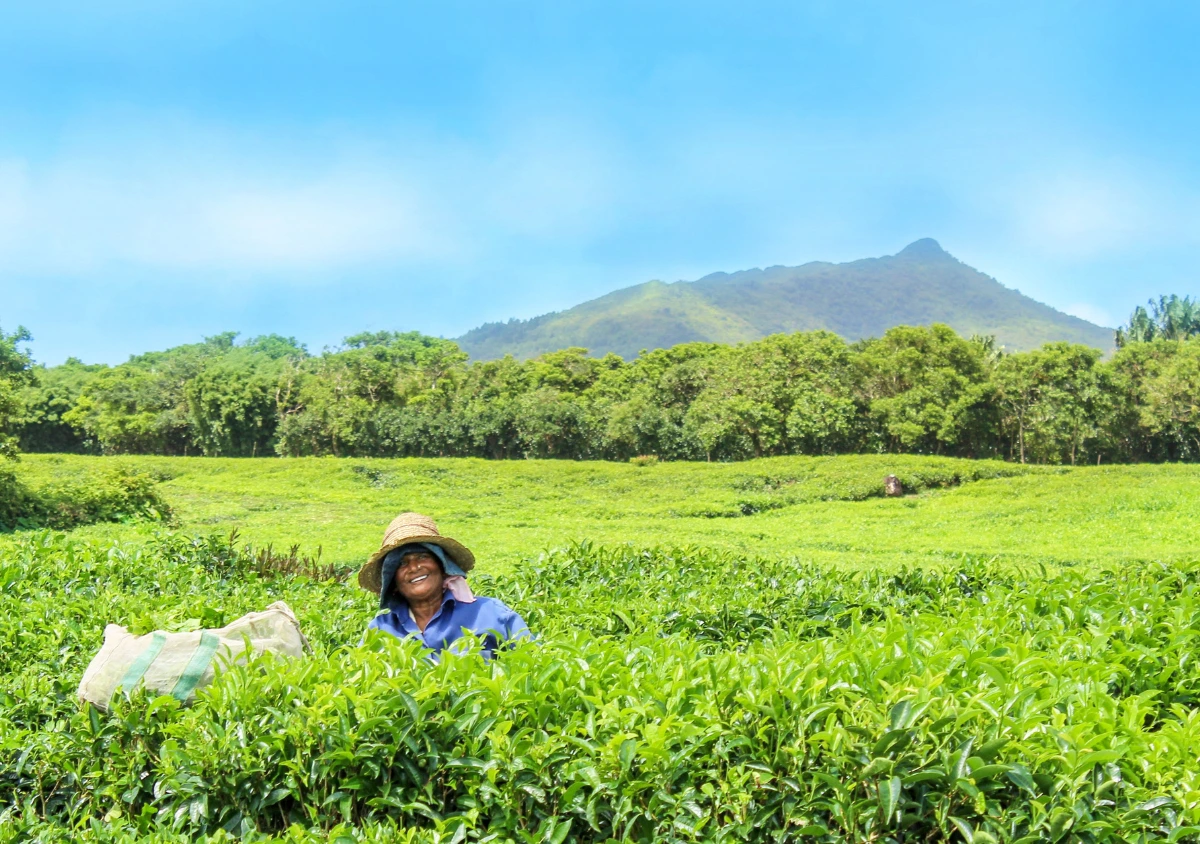
The island grew rich on sugar cane, and you can still taste its history: tea fields and tastings at Bois Chéri in the hills, colonial estate houses such as St Aubin, and small rum distilleries that turn cane into the island’s favourite drink.
Grind spices and cook at home
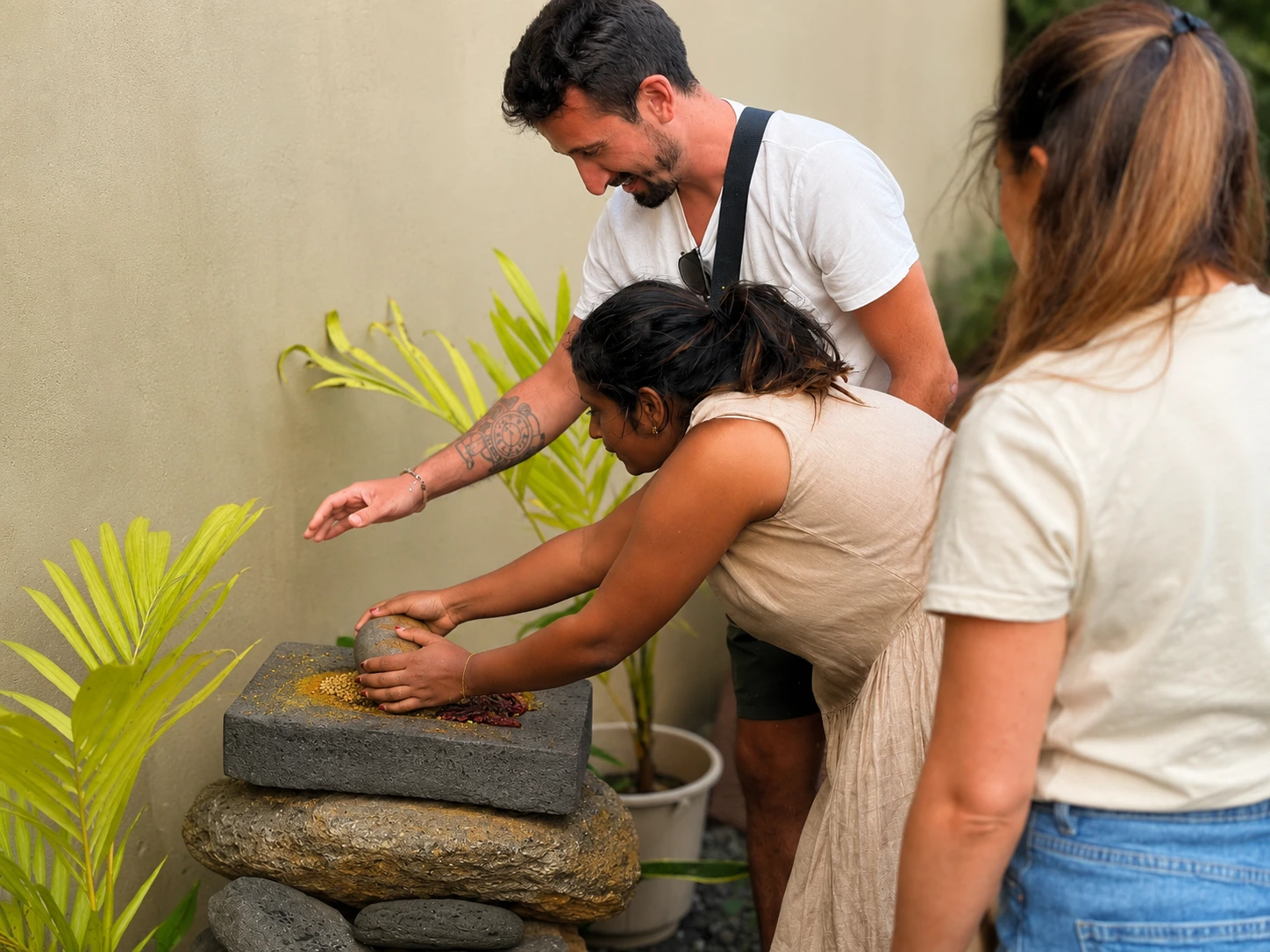
Mauritian food is home food. At our family house in Riambel you can grind masala on the volcanic ross cari stone, taste traditional dishes in the old kitchen, or join our evening cooking class and eat at the family table. Book your visit.
Explore the quiet coast
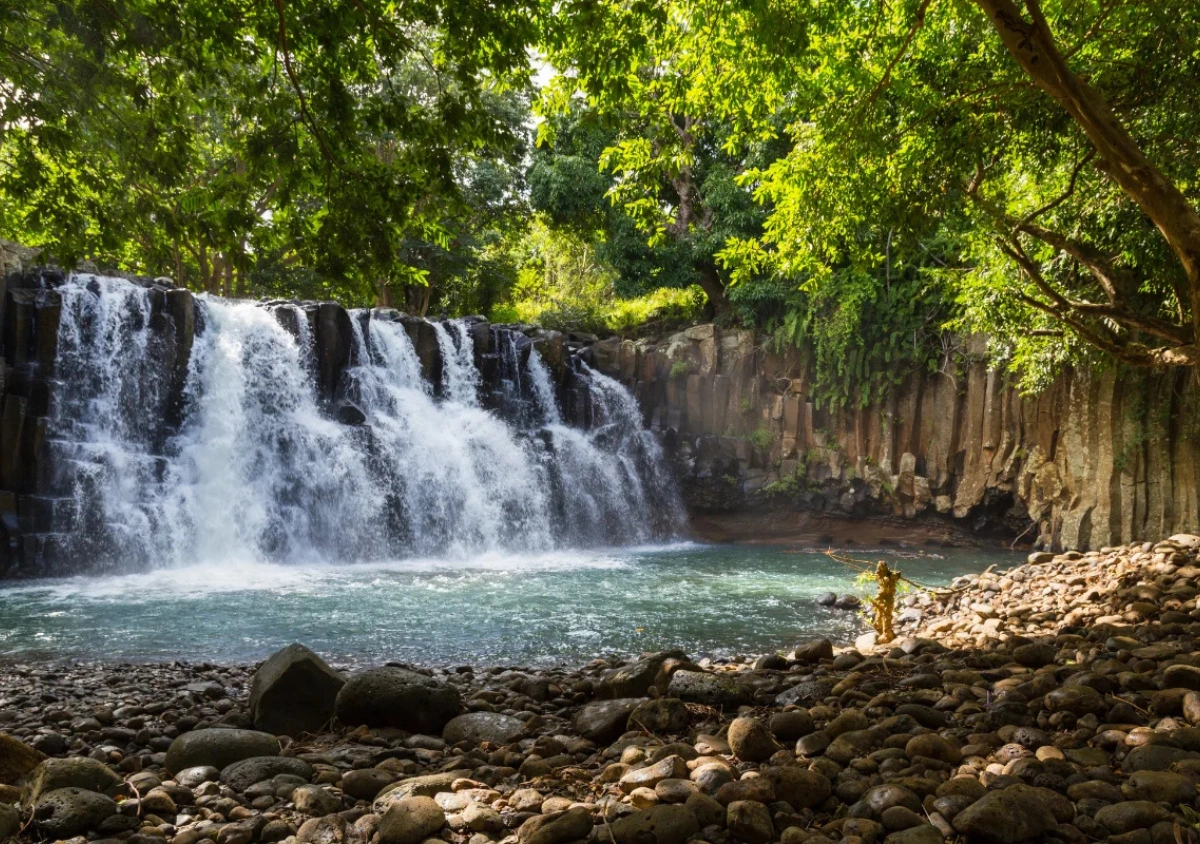
Waterfalls over basalt columns, cliffs with no reef in front of them, and villages that have barely changed. Start with our one-day guide to South Mauritius.
How to fit in like a local
Say hello in Kreol. “Bonzour” (hello) and “Mersi” (thank you) go a very long way. Most people also speak French and English.
Go early. Markets, street stalls and Sunday beaches are liveliest in the morning. Port Louis goes quiet on Sunday afternoons.
Dress for the place. Beachwear is for the beach. Cover up for markets, villages and places of worship.
Bargain kindly. In markets a little bargaining is normal; in small family shops and stalls, the price is usually fair already.
Ask before photos. People are friendly, but a quick “Can I?” is always appreciated.
Eat where the queue is. The busiest stall is usually the best one.
Exploring the south
We live on the south coast, so this is the part of the island we know best. Our village and area guides, written by the family:
Questions we get asked
What are the best local things to do in Mauritius?
Visit a market early in the morning, eat street food such as dholl puri, learn the island’s history at Aapravasi Ghat and Le Morne, respectfully visit a place of worship, join the Sunday beach crowd, and cook or grind spices with a local family.
What is the most authentic experience in Mauritius?
Anything that puts you at a Mauritian table. Sharing home-cooked food with a family tells you more about the island than any sightseeing tour.
Which market should I visit?
Port Louis Central Market for atmosphere and variety, or Flacq on a Wednesday or Sunday for the biggest open-air market.
What food should I try?
Dholl puri, farata, gato piment, briani, fish curry with hand-ground masala, and fresh fruit with chilli salt.
Can visitors attend festivals and temples?
Yes, respectfully. Dress modestly, remove shoes where asked, follow what locals do, and ask before photographing people.
Come and cook with a local family
We are on Teeluck Lane, Riambel. Open 08:30–18:00, every day except Wednesday, with visits at 09:00, 11:00, 13:00, 15:00 and 17:00. Book your time ahead so we can welcome you properly.
Come and see it today
MUR 200
Museum, grinding demonstration, herbal tea and the boutique.
MUR 375
Museum, ancestral kitchen, spice garden, hand-grinding and tastings. Children MUR 200.
Thu – Tue
Last entry 17:00. Free onsite parking at the gate.
Walk in and join the next start time, or book ahead to hold your place. Open every day except Wednesday.