From 25 October to 16 November we are closed while we travel to Bihar, where our ancestors came from. We reopen on Tuesday 17 November. Read whyBook your visit

Heritage Spice House

Home  /  Museum

The Heritage Museum

A Mauritian Heritage Museum

One room of ordinary things kept for three generations — the charcoal iron, the brass scales, the green kerosene lantern — and the photographs of the people who used them. They are here to explain how Mauritian families lived, cooked and worked before modern conveniences.
Open 08:30 – 18:00 · Closed Wednesdays
Walk-ins welcome · Book ahead
Adults MUR 375
Inside the room

Nothing here was collected for a display case

01

The objects a Mauritian household could not do without

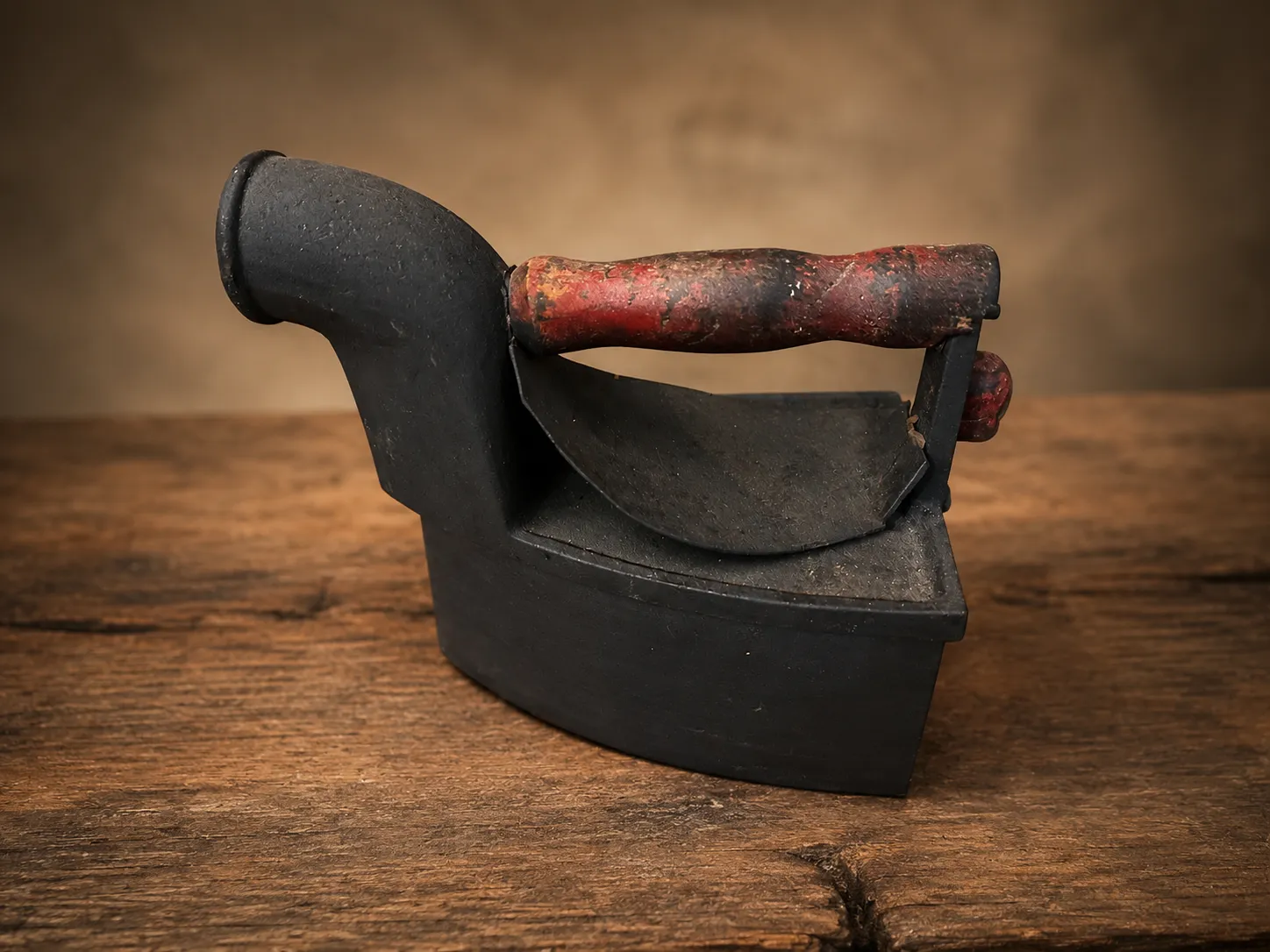
The charcoal iron was heated on the fire and pressed on Sunday shirts. The brass scales weighed rice and lentils by the ounce. The kerosene lanterns lit homework and evening conversation, and the terracotta pots held water cool enough to drink at midday.

Most of our visitors recognise something. An aunt had one. A grandmother kept one on the same shelf.

Antique charcoal iron in the heritage museum
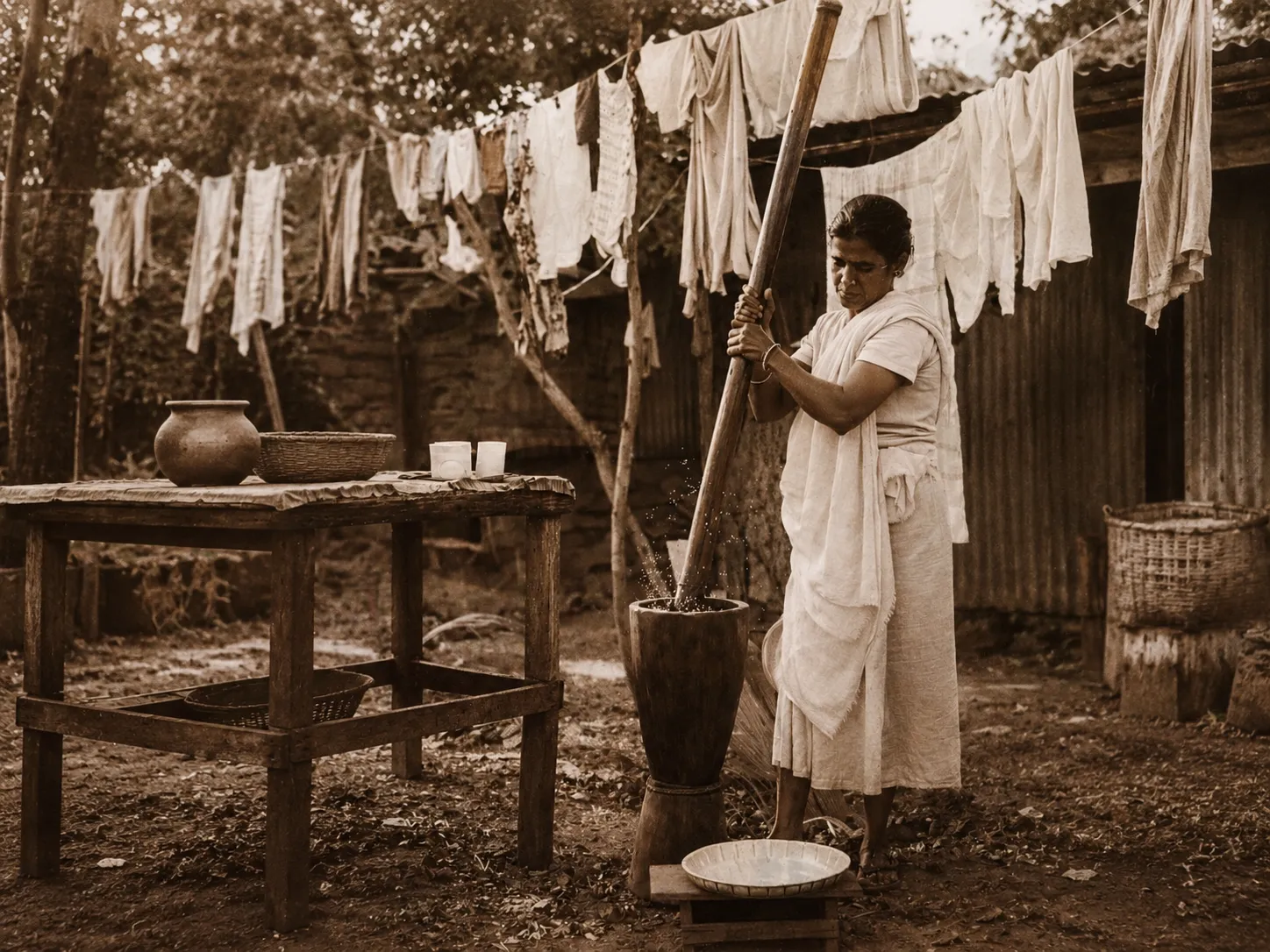
Everyday household tasks in old Mauritius
02

Four journeys that became one island

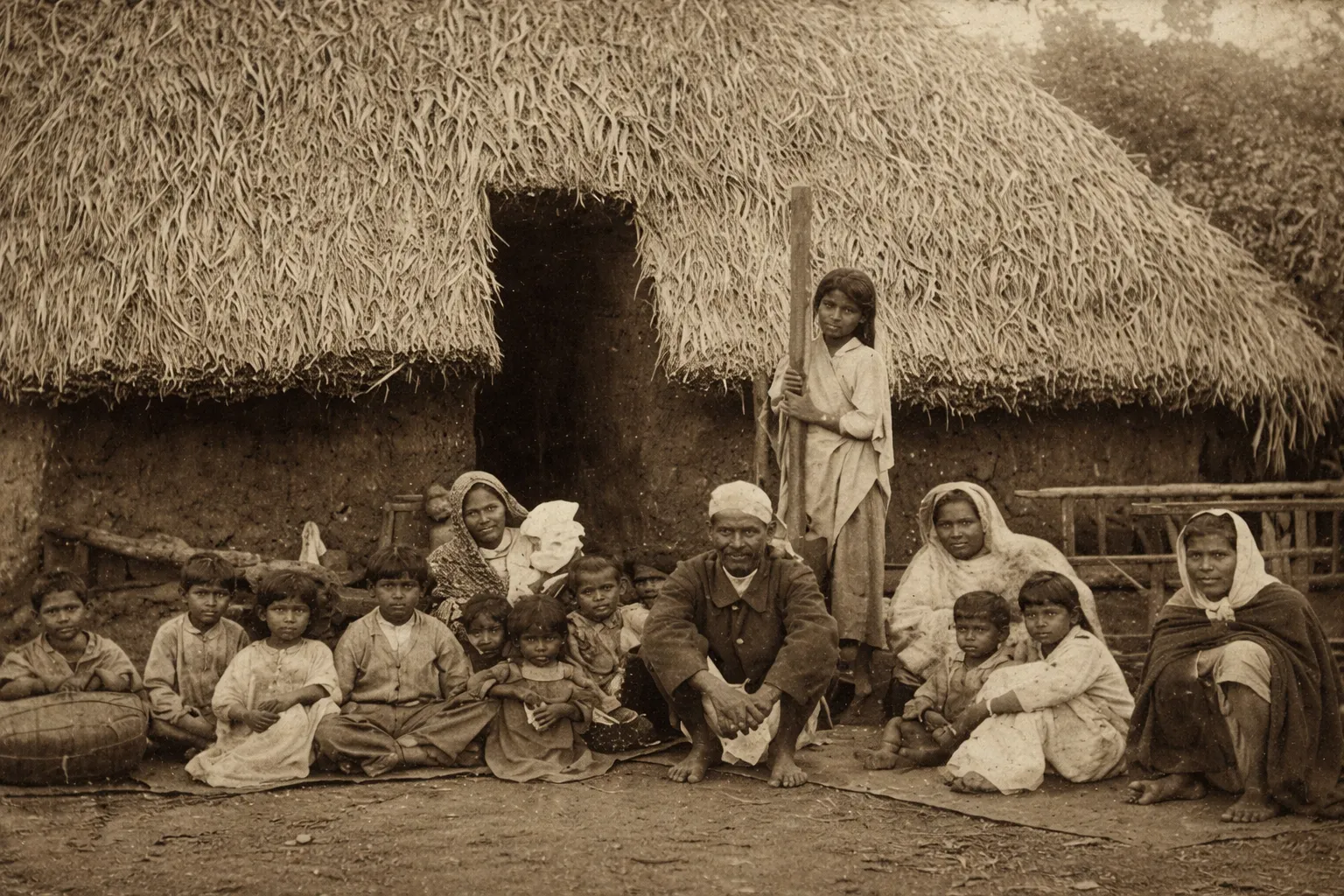
Through the 1800s people arrived in Mauritius from India, from China, from Africa and from Europe — most under indenture, many with nothing but a trunk and a name written into a register. The photographs on these walls belong to those arrivals and their children.

What they built together is the reason Mauritian cuisine tastes the way it does: an Indian masala ground on a stone, a Chinese noodle, a Creole rougaille, a French technique, all on the same table. Culture, food and identity here were made by mixing, not by keeping apart.
03

Photographs, papers and the small proofs of a life

Alongside the tools sit registration papers, ration books, school certificates and studio portraits taken for the occasion. Read together they make the shape of an ordinary Mauritian life in the sugar era clear: long work, close family, and a great deal of ingenuity in the kitchen.

How Mauritian families once lived
On the shelves

Things you will recognise

The charcoal iron

Filled with embers from the cooking fire and pressed on Sunday shirts. Almost every Mauritian family had one.

Brass scales

Rice, lentils and flour weighed by the ounce, back when nothing came pre-packed.

Kerosene lanterns

Green glass and a tin hood. These lit homework, card games and the evening conversation.

Terracotta water pots

Unglazed clay that keeps water cool through the middle of the day without electricity.

Registration papers

Indenture registers, ration books and school certificates — the paperwork of an ordinary life.

Studio portraits

Taken for weddings and departures, stiff and formal, with names pencilled on the back.

★★★★★
“As a Mauritian, I discovered new things about our own culture that is slightly being lost. I truly felt as if I had stepped back in time.”
Serena C. · Mauritius
Keep going

Continue exploring

Spice Grinding

The ross cari volcanic stone, and your turn on it.

Spice Garden

Spice nursery, vegetable alley, medicinal plants and cane.

Tastings

Traditional dishes cooked with hand-ground spices.

Our Story

Three generations of one family.

Tickets

Come and see it today

Passing through

MUR 200

30 minutes

Museum, grinding demonstration, herbal tea and the boutique.

The full journey

MUR 375

1.5 hours

Museum, ancestral kitchen, spice garden, hand-grinding and tastings. Children MUR 200.

Opening hours

Thu – Tue

08:30 – 18:00

Last entry 17:00. Free onsite parking at the gate.

Book ahead, or join the next visit

Visits begin at 09:00, 11:00, 13:00, 15:00 and 17:00, every day except Wednesday. Book to hold your place and we will be expecting you — or simply turn up and join the next one. Full detail on the visit page.

Scroll to Top